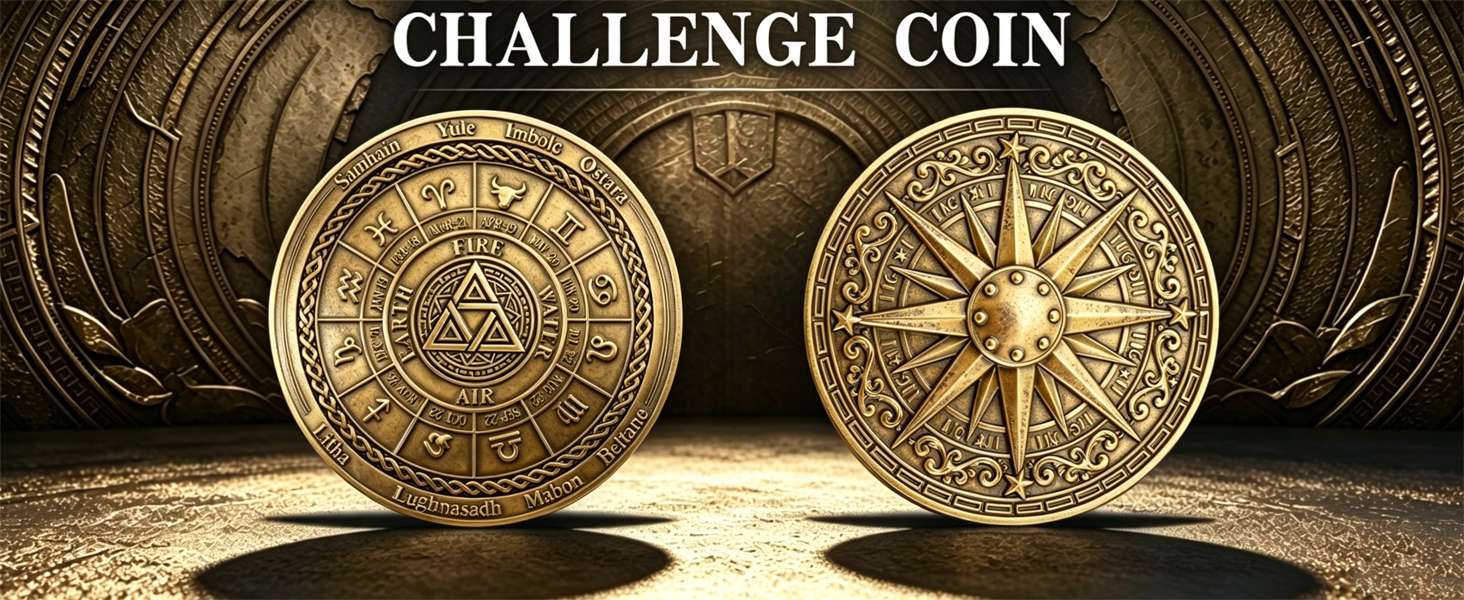
Collectible Coins, Challenge Coins, and Sobriety Coins: A Collector’s Guide to Meaningful Metal
Small objects can carry enormous stories. A coin may begin as a simple disc of metal, but in the right hands it becomes a record of service, a marker of recovery, a family heirloom, or a quiet reminder of who someone is becoming. That is why collectible coins attract such a wide range of people: some are drawn to craftsmanship, others to history, and many to the personal meaning pressed into every detail.
The Quiet Power of Collectible Coins
Collecting is often described as a hobby, but it is closer to storytelling. A tray of coins can hold commemorative issues, limited editions, military tributes, anniversary pieces, and custom designs made for a single organization. The appeal is not only in rarity. It is in the way a coin invites you to pick it up, turn it over, and ask, What does this represent?
Good collections usually develop in layers. One piece might celebrate a milestone. Another might honor a mentor. A third might be a beautifully engraved design that simply caught the collector’s eye. Over time, the collection becomes a visual autobiography—less about completing a checklist and more about preserving moments that matter.
“The best collections are not always the largest. They are the ones where every piece has a reason to stay.”
Challenge Coins: Tokens of Service, Belonging, and Memory
Challenge coins have a long association with military and first-responder culture, though their reach now extends into teams, companies, schools, and communities. Traditionally, carrying a challenge coin can signal membership in a group or readiness to respond to a challenge. In practice, the coin often becomes something more personal: a pocket-sized reminder of shared sacrifice, camaraderie, or a job well done.
What makes challenge coins especially compelling is their blend of design and duty. A strong challenge coin usually has a clear symbol, readable text, and a weight that feels substantial in the hand. The best examples are not cluttered. They communicate pride without needing to shout.
Collectors often look for:
- Unit or organization identity — crests, mottos, and emblems that tell you where the coin came from.
- Meaningful dates — deployment years, anniversaries, graduations, or retirement milestones.
- Unique finishes — antique bronze, enamel color, edge details, and textured relief.
- Provenance — the story of who received the coin and why.
Sobriety Coins: Milestones You Can Hold
Sobriety coins turn time into something tangible. For many people in recovery, a coin is not a trophy; it is a reminder of daily effort, community support, and the courage to begin again. The design may be simple—a number, a phrase, a serenity prayer, or a symbol of hope—but the meaning can be profound.
These coins also make thoughtful gifts for recovery milestones, sponsor acknowledgments, and sober anniversaries. When choosing sobriety coins, look for clear engraving, a comfortable size for carrying, and language that feels respectful rather than sentimental. A well-made coin should feel like encouragement, not pressure.
Display, Storage, and Care
Protect the finish. Handle coins with clean hands, keep them away from harsh chemicals, and store them in felt pouches, coin capsules, or display trays. If you plan to frame a collection, use materials that will not scratch or discolor the metal. Light is fine; prolonged direct sunlight and humidity are not.
Create a display with breathing room. A crowded case can make even impressive pieces disappear. Group coins by theme—service, recovery, commemorative, travel, family—and leave a little negative space between sections. The result feels curated rather than cluttered.
Buying with Confidence
Ask about the story first. For custom or commemorative pieces, the design should serve the meaning. A coin with too many symbols can lose focus. A clean layout, a strong central image, and readable text usually age better than a busy design.
Compare craftsmanship. Check the edges, the depth of the engraving, the consistency of enamel color, and the weight in hand. A quality coin does not need to be flashy, but it should feel intentional. When buying from a maker, confirm production details, proofing options, and delivery timelines—especially for milestone gifts.
Remember the recipient. The most memorable coins are often the most personal. A challenge coin for a team, a sobriety coin for a friend, or a collectible piece for a family archive all work best when the design reflects the person or community it represents. That is the difference between a drawer item and a keepsake.
Final Thought: Metal with Meaning
Whether you are drawn to the history of collectible coins, the camaraderie of challenge coins, or the quiet encouragement of sobriety coins, the common thread is meaning. A good coin invites connection. It starts conversations, marks milestones, and reminds us that the most important moments are often the ones we choose to hold close.