From Kitchen to Table: How Shot Glasses, Coasters, Wine Glasses, and Serveware Shape a Better Dining Experience
Dining at home is never only about food. It is about the small objects that move between the kitchen and the table, the way a glass feels in your hand, the confidence of a well-set table, and the ease of serving without scrambling for the right dish. Kitchen dining, shot glasses, coasters, wine glasses, and serveware may seem like separate categories, but together they create a rhythm. They support conversation, protect surfaces, frame flavors, and make ordinary meals feel considered.
Kitchen Dining: The Room That Sets the Tone
Kitchen dining is the casual heart of the home. It is where breakfast happens in a hurry, where friends gather around a counter, and where weeknight dinners do not need a formal dining room to feel special. The best kitchen dining setups balance function and warmth: clear surfaces, easy-to-reach storage, and a few well-chosen pieces that work as hard as the people using them. When the kitchen and dining zones flow together, serving becomes simpler and cleanup less stressful. A tray of snacks can move from counter to table; a bottle of wine can be opened without a hunt for glasses; coasters can appear before condensation rings have a chance to form. This is not about perfection. It is about creating a setting where people linger.
Shot Glasses: Small Vessels, Big Personality
Shot glasses are often underestimated. They are small, but they carry a lot of social energy. A set of shot glasses can turn a simple gathering into a tasting night, a toast, or a playful ritual. They are useful for espresso, spirits, dessert samples, and even tiny appetizers when you want a creative presentation. Design matters more than size: thick bases feel sturdy, weighted glass feels premium, and etched patterns add texture without shouting for attention. Keep a small collection that suits your style—clear and classic for everyday use, colored or patterned for celebrations. Store them near the bar area or on a compact tray so they are ready when the moment calls for a quick pour and a shared laugh.
- Classic clear glass: versatile and easy to pair with any table.
- Weighted base: stable, comfortable, and less likely to tip.
- Etched or colored glass: adds personality for parties and gifts.
- Compact tray storage: keeps sets together and within reach.
Coasters: The Quiet Heroes of the Table
Coasters do a job that is easy to miss until the damage is done. They protect wood, stone, and glass surfaces from heat, moisture, and condensation. But good coasters also add character. Cork is warm and quiet; stone absorbs moisture beautifully; leather ages with charm; ceramic offers color and pattern. A coaster is a small signal of hospitality. Placing one under a guest’s glass says, I want you to relax here. Keep a stack in the kitchen dining area and another near the living room. Mixing materials is fine—just choose coasters that are absorbent, easy to clean, and pleasant to handle. The best ones become part of the table’s visual language without competing with the food.
A well-set table is not crowded. It is curated: every glass, coaster, and serving piece has a reason to be there.
Wine Glasses: Shape, Aroma, and Ritual
Wine glasses are functional tools and quiet performers. The bowl shape guides aroma, the rim affects how the wine meets your lips, and the stem keeps fingerprints away from the bowl. You do not need a dozen specialized shapes, but a few dependable glasses make a difference. All-purpose glasses work for red, white, and rosé; smaller glasses suit casual pours; stemless options are practical for tight kitchen dining spaces. Hand-wash delicate glasses when possible, and store them upright or with enough clearance so they do not chip. More important than brand is comfort. A glass should feel balanced and invite you to slow down. When you choose wine glasses with care, you are not being fussy—you are making room for the ritual of tasting, talking, and taking your time.
Serveware: The Art of Presentation
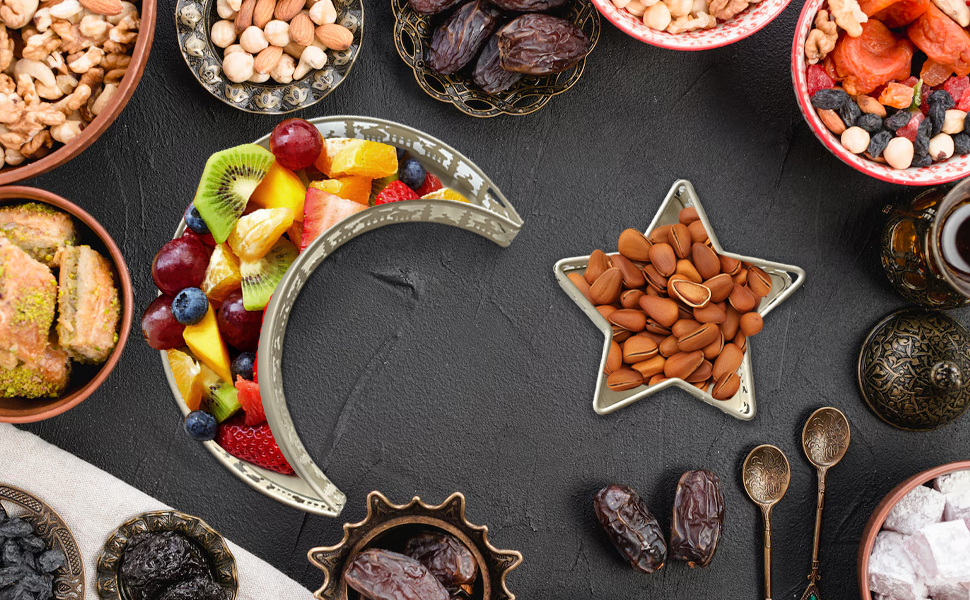
Serveware is where kitchen dining meets hospitality. Platters, bowls, boards, tongs, and trays do more than hold food; they organize the meal and guide how guests serve themselves. A wide platter makes roasted vegetables look generous. A shallow bowl keeps pasta from spilling. A wooden board turns cheese and fruit into an invitation. Choose serveware that fits your table space and your actual meals. Oversized pieces can crowd a small kitchen dining table, while too many tiny dishes create clutter. Look for stackable bowls, oven-safe dishes, and serving tools that feel good in the hand. Neutral pieces are versatile, but one or two statement pieces—a patterned platter or a sculptural bowl—can give the table a focal point.
Putting It All Together
These categories work best as a system, not a shopping list. Shot glasses bring playfulness. Coasters protect the setting. Wine glasses slow the pace. Serveware makes sharing easier. Kitchen dining ties them together with practical flow and everyday warmth. Start with what you use most, then add pieces that solve a real problem or bring real pleasure. A tidy tray for glasses and coasters, a stack of versatile serveware, and a few durable wine glasses can transform how a table feels. The goal is not a showroom. The goal is a table where people can gather, reach, pour, taste, and stay a little longer.