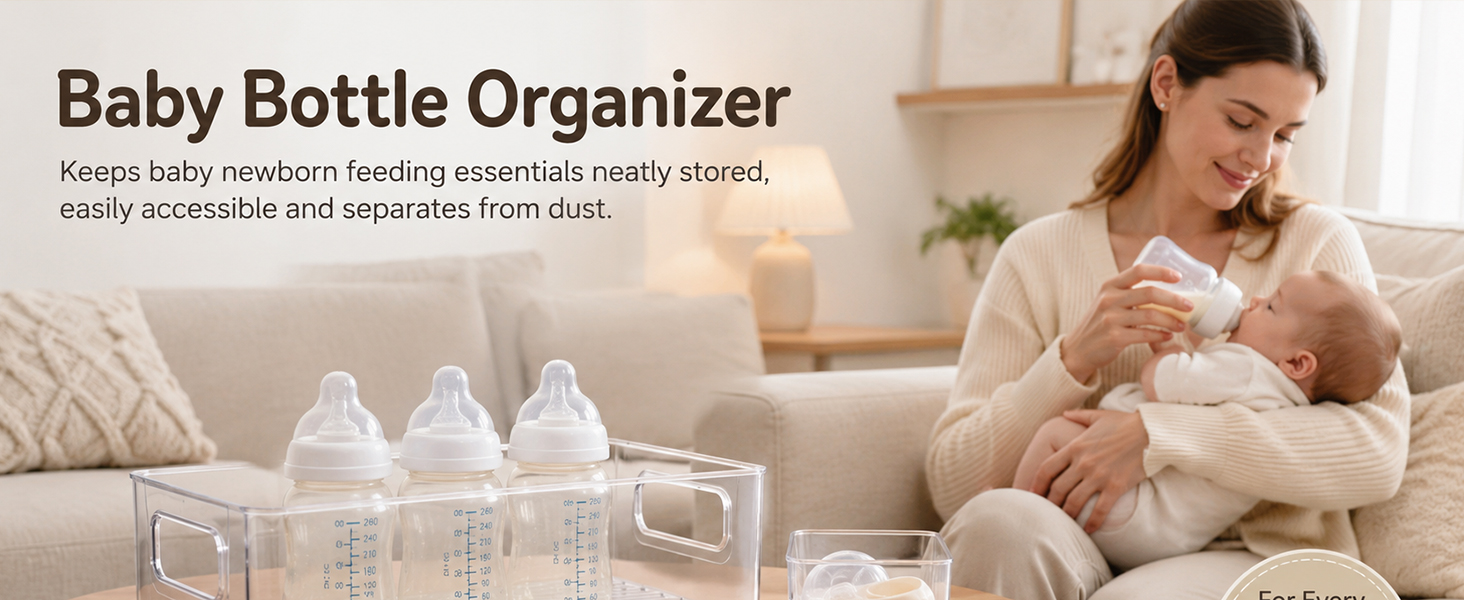
Baby Bottle Organizer Guide: Smart Storage Solutions for a Calmer Nursery
A baby bottle organizer may look like a small nursery accessory, but it can change the rhythm of your entire day. When bottles, nipples, caps, and cleaning tools have a clear home, feeding time becomes faster and less stressful. Instead of searching through drawers with one hand while holding a hungry baby, you can reach for exactly what you need. Good baby bottle storage also protects your baby products, keeps the kitchen counter calmer, and makes it easier for partners, grandparents, and caregivers to help. The goal is not a perfectly styled nursery; it is a practical system that works at 2 a.m. as well as it does at noon.
Why Baby Bottle Storage Deserves a Second Look
Bottles multiply quickly. You may start with two or three, then add different sizes, slow-flow nipples, travel caps, and spare parts. Without a dedicated baby bottle organizer, these items scatter across counters, sink racks, and diaper bags. That clutter creates friction: you wash a bottle, but the correct nipple is missing; you pack a diaper bag, but the travel cap is in another room. A simple storage plan keeps every part visible, dry, and ready to use.
The Invisible Clutter
Bottle clutter is often invisible until you need something urgently. Small parts hide in dish racks, and spare bottles roll behind larger baby products. A dedicated organizer gives those small pieces a predictable place, which reduces mental load during an already busy season.
A good baby bottle organizer should make feeding easier, not more complicated. If a storage solution takes extra steps to use, it will soon be ignored.
Types of Baby Bottle Organizers
The best baby bottle storage depends on your space, feeding routine, and whether you pump, formula-feed, or combine both. Here are the most common options:
- Countertop bottle racks: Ideal for drying and everyday access. Look for open slots, drainage, and a compact footprint.
- Drawer dividers: Great for keeping bottles, nipples, and caps separated inside a kitchen or nursery drawer.
- Rotating organizers: Useful for small kitchens because they use vertical space and keep bottles visible.
- Basket-style bins: Flexible and affordable. They work well for mixed baby products, pump parts, and cleaning brushes.
- Travel bottle cases: Designed for diaper bags and outings, these protect bottles and keep caps secure.
How to Choose a Baby Bottle Organizer
Before buying another baby product, measure your space and count your daily bottles. A large organizer can overwhelm a tiny counter, while a small one may not hold enough for a full day. Choose a design that is easy to clean, allows airflow, and fits your bottle shapes. Wide bottles need wider slots, and tall bottles may not fit under low cabinets. If you use glass bottles, look for sturdy dividers and non-slip bases.
- Easy to clean: Removable parts and smooth surfaces save time.
- Drainage-friendly: Airflow helps bottles dry fully after washing.
- Right capacity: Hold enough for one day without becoming a dumping ground.
- Child-safe placement: Keep small parts out of reach as your baby grows.
Smart Baby Bottle Storage for Daily Use
A daily bottle system should separate clean, dry, and ready-to-use items. For example, keep clean bottles on the top rack, nipples and caps in a small basket, and cleaning brushes in their own cup. If you prepare bottles in advance, store them safely in the refrigerator and follow your pediatrician’s guidance for milk storage. An organizer is for bottle parts and feeding supplies, not a substitute for proper refrigeration or sterilizing routines.
The most effective baby bottle storage system is the one that everyone in the household can follow without asking where things belong.
Label and Rotate
If you use multiple bottle sizes or pump parts, label shelves or bins by stage or use. Rotate older bottles to the front so they are used first. This small habit prevents spare bottles from being forgotten and keeps your baby products working for you rather than collecting dust.
Keeping Bottles Clean and Organized
Storage and cleaning go together. After washing, let bottles and parts air-dry completely before placing them in a closed bin. If your organizer sits near the sink, wipe it regularly and check for water buildup. A simple weekly reset—sorting nipples, matching caps, and removing outgrown items—keeps the system efficient.
- Wash bottles and parts according to manufacturer instructions.
- Place them on a drying rack with space between each item.
- Move fully dry items into the organizer.
- Check the organizer weekly for stray parts or moisture.
Travel and On-the-Go Baby Bottle Storage
For diaper bags, choose a compact bottle case or insulated pouch that fits your bottles and keeps caps secure. Pack only what you need for the outing, plus one spare nipple. Keep a small wet bag for used bottles so they do not mix with clean baby products. When you return home, unpack and wash the bag right away to prevent odors and clutter.
Building a Nursery System That Lasts
Think beyond the newborn stage. A baby bottle organizer can later hold snack cups, sippy cup parts, or small feeding utensils. Choose neutral colors and durable materials if you want it to blend into future routines. Pair the organizer with a simple drawer divider and a drying rack, and you create a compact feeding station that grows with your child.
The best baby bottle storage is not about perfection. It is about reducing friction, protecting your baby products, and giving yourself a little more calm during a demanding season. Start with one organizer, one clear location, and one daily reset. That small structure can make feeding time feel noticeably smoother.
Final Thoughts
A baby bottle organizer is a practical addition to any nursery or kitchen. It keeps bottles, nipples, caps, and cleaning tools accessible while protecting them from clutter. By choosing the right size, keeping items dry, and creating a simple daily routine, you can turn baby bottle storage from a minor frustration into a reliable part of your day. With a little planning, your feeding station can stay organized, functional, and ready for whatever the next feeding brings.